Provincial Licensing Shapes Secure Payout Pathways for Mobile Table Interactions and Reel Features
Theo Lehmann · Aug 25, 2026
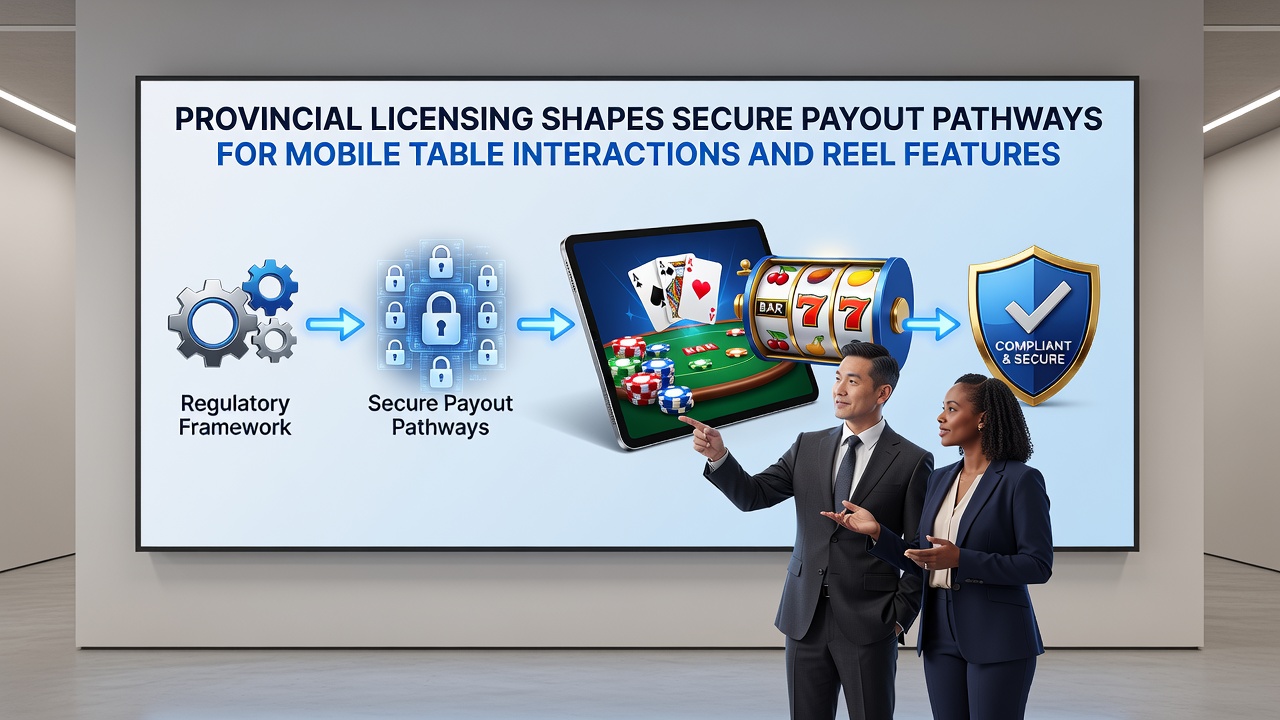
Provincial Licensing Shapes Secure Payout Pathways for Mobile Table Interactions and Reel Features
Provincial licensing frameworks establish the standards that govern secure payout pathways in mobile environments where players engage with table interactions such as blackjack and roulette alongside reel features in slot games and these frameworks vary by jurisdiction yet consistently emphasize encryption, verification protocols, and transaction monitoring to protect funds during digital transfers.
Data from regulatory filings indicate that provinces maintain distinct oversight bodies which review operator compliance with payment security measures and this approach ensures that mobile platforms handling real-money wagers meet technical requirements for both instant and scheduled withdrawals while supporting features like live dealer streams and progressive reel mechanics.
Licensing Structures Across Provinces
Each province operates its own regulatory authority that sets rules for how operators process deposits and withdrawals in mobile applications and these authorities require licensed entities to integrate certified payment gateways that undergo regular audits for vulnerability testing and fraud prevention and such measures apply equally to table game sessions where players place bets in real time and to reel-based games that trigger bonus rounds with potential payouts.
Observers note that licensing conditions often specify minimum standards for multi-factor authentication during high-value transactions which reduces unauthorized access risks and this requirement extends across mobile table interactions that rely on continuous connectivity as well as reel features that generate random outcomes through certified random number generators.
Secure Payment Mechanisms in Mobile Gaming
Operators under provincial licenses must employ end-to-end encryption for all financial data exchanged between player devices and backend servers and this technical layer supports seamless transfers whether users participate in mobile blackjack rounds or activate reel spins that accumulate winnings over multiple sessions and reports from industry audits show that compliance with these encryption mandates correlates with lower incidence of payment disputes.
Verification processes mandated by licensing bodies include identity checks that align with anti-money laundering directives and these checks occur at account creation as well as during withdrawal requests which helps maintain the integrity of payout pathways for both table game enthusiasts and slot players who engage with reel features on smartphones and tablets.

Payment service providers integrated into licensed platforms often include options such as e-wallets and bank transfers that undergo pre-approval by provincial regulators and these options facilitate faster processing times for winnings derived from table interactions while also accommodating the variable payout structures common in reel-based games that feature cascading symbols or multiplier bonuses.
Impact on Table Interactions and Reel Features
Mobile table interactions benefit from licensing rules that require operators to maintain separate ledgers for game play funds and bonus credits which prevents commingling and ensures accurate reconciliation during payouts and this separation proves essential when players switch between live dealer tables and automated reel features within the same session.
Reel features in slots receive similar scrutiny under provincial guidelines that demand transparent display of return-to-player percentages and these percentages must reflect actual payout histories verified through independent testing labs and data collected through August 2026 demonstrates steady growth in mobile slot engagement across regulated markets where such transparency requirements remain in force.
Those who monitor regulatory updates find that licensing renewals frequently incorporate feedback from previous compliance reviews which leads to incremental improvements in payout speed and security protocols that benefit both table game and reel feature users on mobile devices.
Regional Comparisons and Data Trends
Comparative analyses from sources including the Ontario Lottery and Gaming Corporation highlight differences in how provinces structure their payment oversight and these differences influence the range of approved withdrawal methods available to mobile players engaging with table and reel content. Research from the Australian Institute of Criminology further indicates that jurisdictions with stringent licensing tend to report fewer instances of payment-related complaints in digital gaming environments.
Figures released in regulatory summaries reveal that transaction volumes for mobile table interactions increased notably during periods when updated licensing conditions took effect and similar patterns appear in reel feature usage where players access games through apps that adhere to provincial security mandates.
Conclusion
Provincial licensing continues to define the parameters for secure payout pathways that support mobile table interactions and reel features by enforcing technical and procedural safeguards that operators must follow and these frameworks adapt over time in response to technological advancements and player activity patterns while maintaining focus on transaction integrity across jurisdictions.